Shopping Cart
No item in your cart!
RM0.00

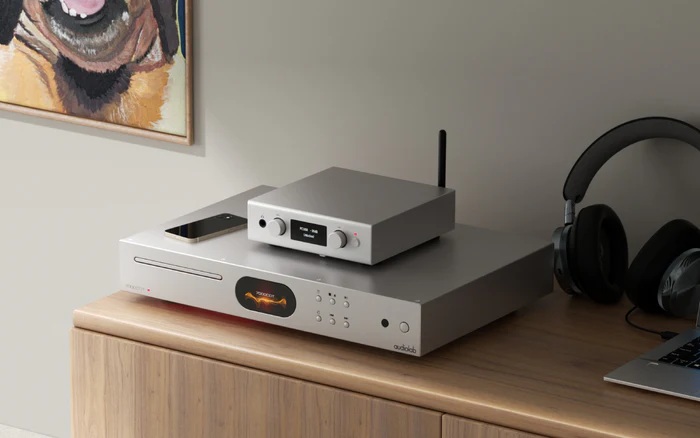
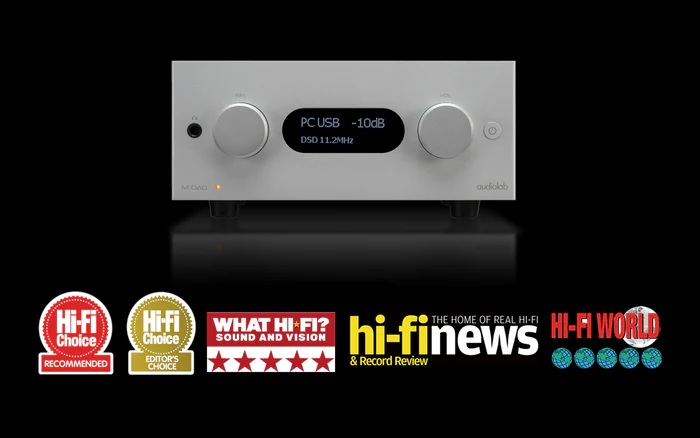
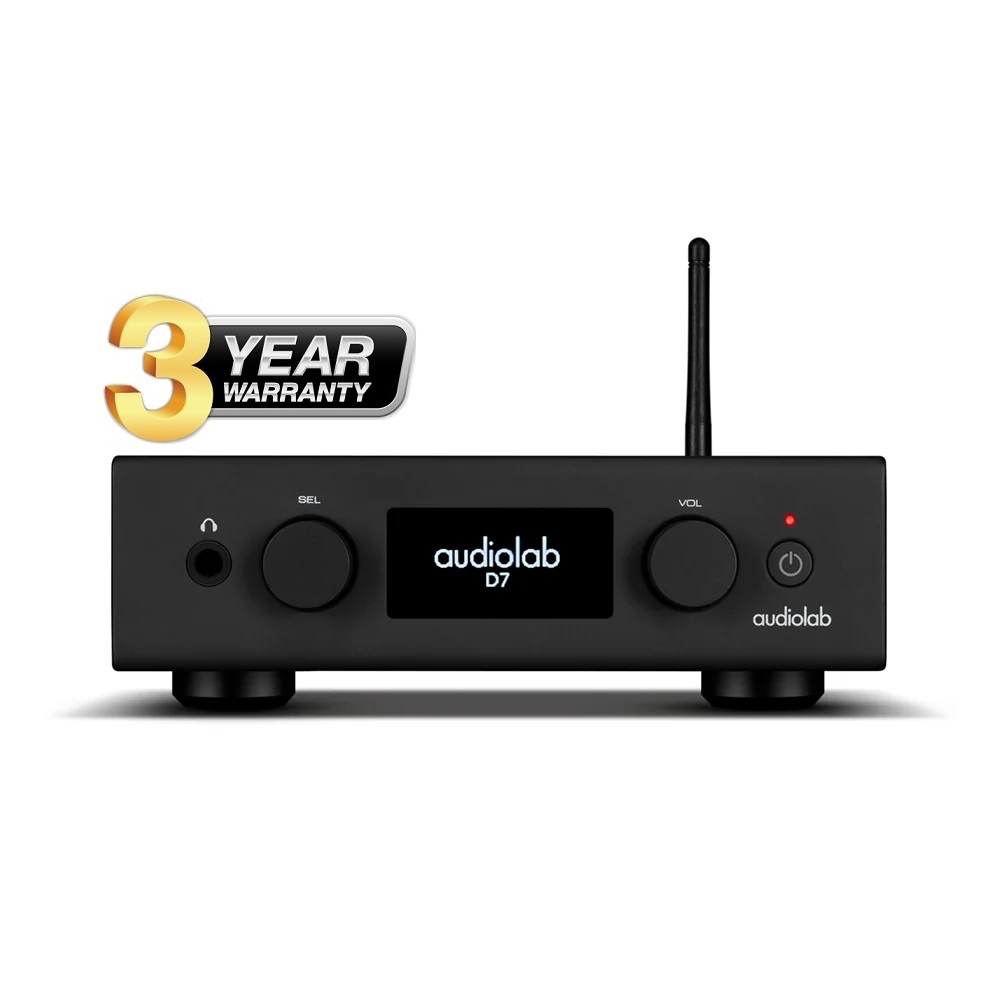
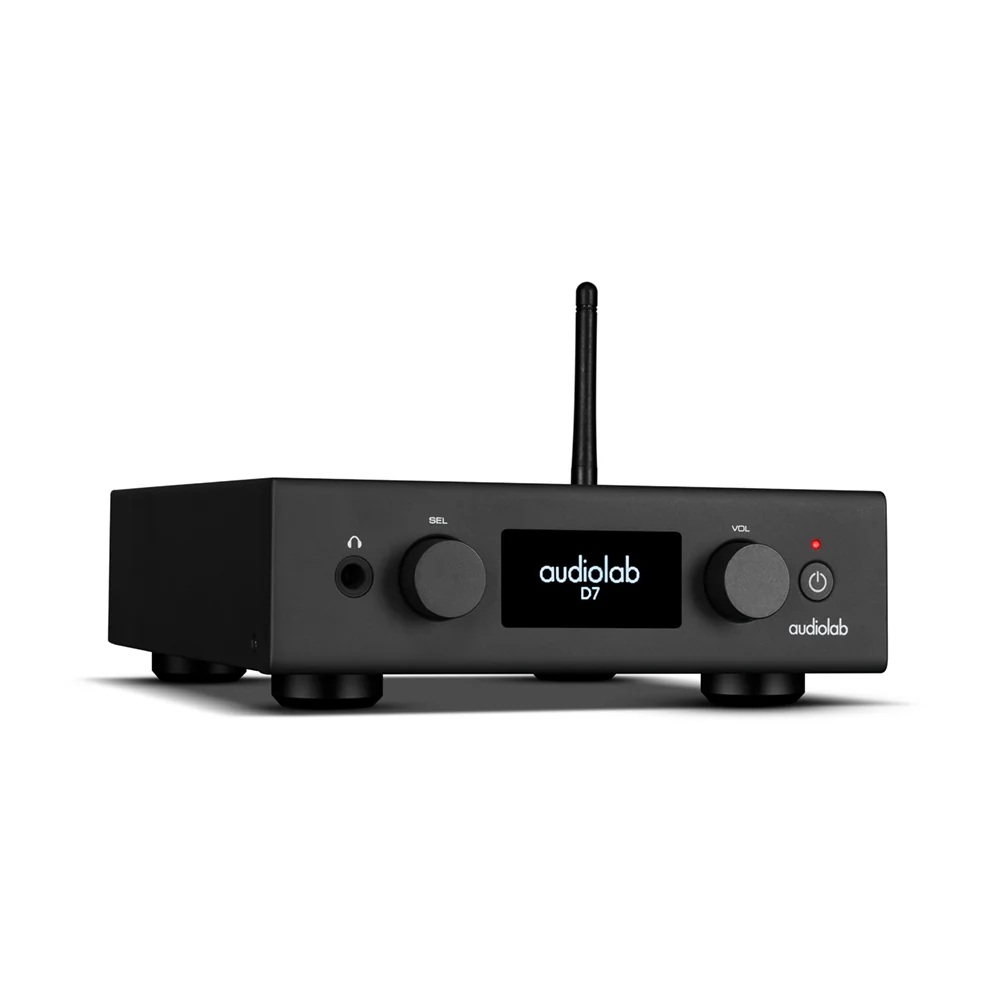
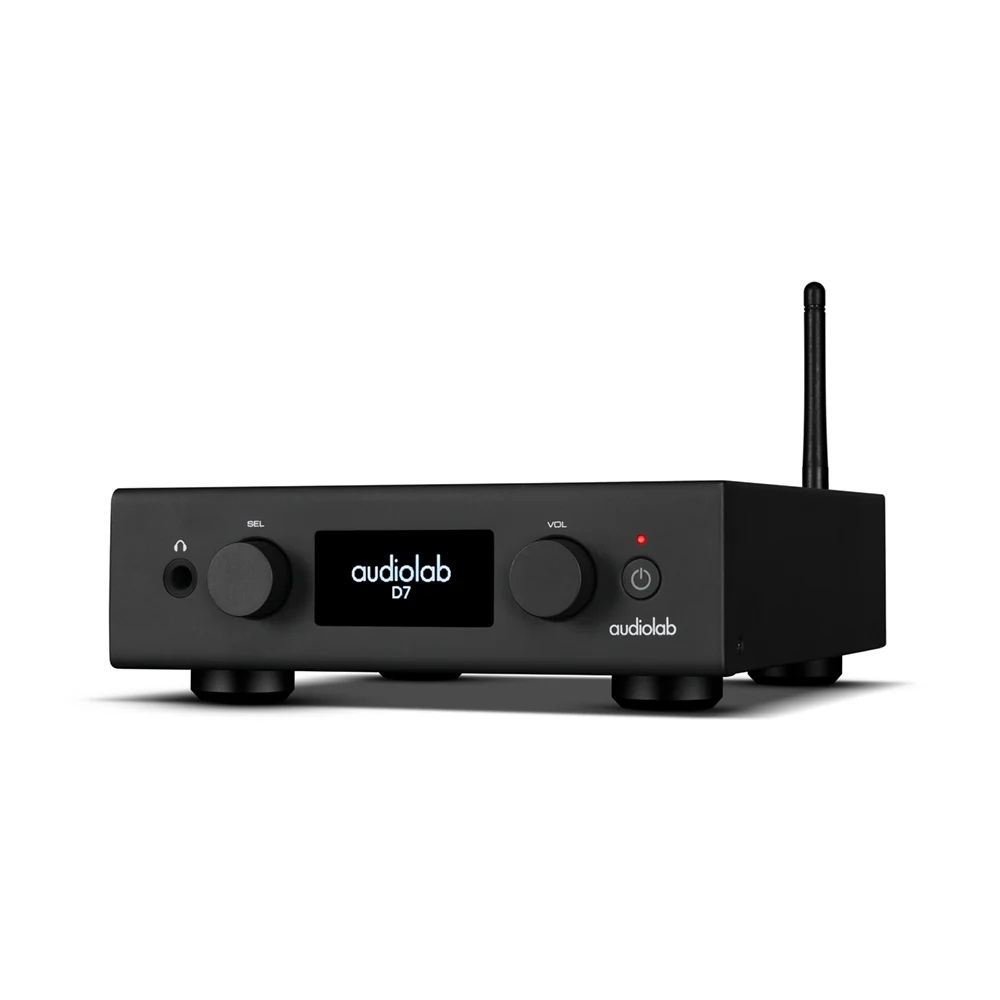
Born from Audiolab’s pioneering M-DAC lineage and a family of modern DAC-equipped electronics, the D7 continues the tradition of class-leading DAC performance at an entry-level price.
The Audiolab M-DAC changed the scene of affordable audiophile DAC technology upon its launch in 2011. It set the path for Audiolab’s DAC integration in a plethora of award-winning, benchmark-setting hi-fi components – with current evolution sitting at the flagship and revered 9000 series
As a pioneer in affordable hi-fi electronics, dating back to the brand's origins, the Audiolab 6000 and more recent 7000 series offer world-renowned performance at astonishing price points. Following this philosophy, with more than a hint of ‘trickle down’ technology, benefitting from thousands of hours of development of class-leading components, the Audiolab D7 is a new tabletop DAC that oozes the simplicity and clarity that Audiolab is famed for, taking to task the industry’s more affordable DAC offerings, the D7 distills high-end engineering into a compact and affordable package.
.jpg)
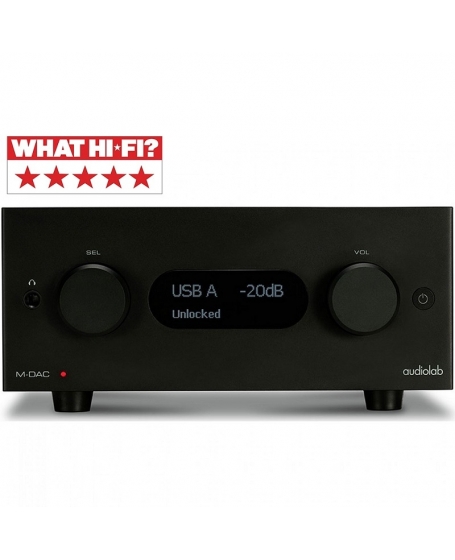
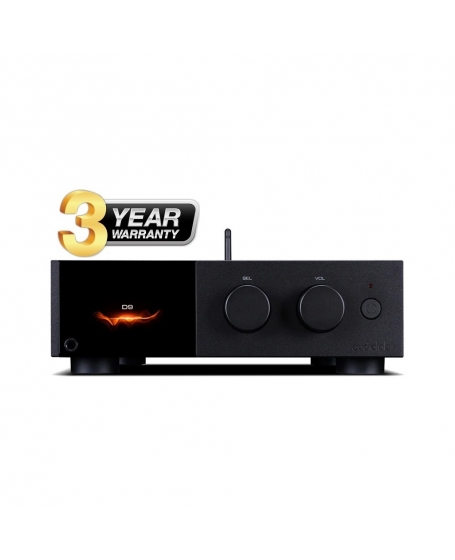
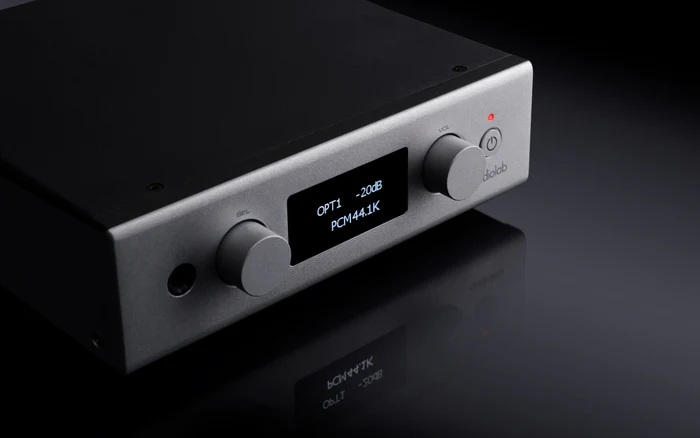
Compact, rugged and uncompromising in features, the D7 is designed to reflect the traditional Audiolab styling, fit and finish. It comes equipped with an OLED display and an intuitive operational menu that offers instant access to the features, functions and performance capabilities that set it apart from other DAC offerings within this class. Unlike many rivals, the D7’s display, menu and remote control are designed to enhance usability beyond buttons, LEDs and the restricted functionality that one may be accustomed to at this price.
.jpg)
Taking heavy influence from the Audiolab 7000A, the D7 incorporates state-of-the-art digital-to-analogue signal conversion in the form of the ESS9038Q2M chipset. This enables digital sources to be introduced to analogue systems—a CD transport or wireless streamer, for instance.
.jpg)
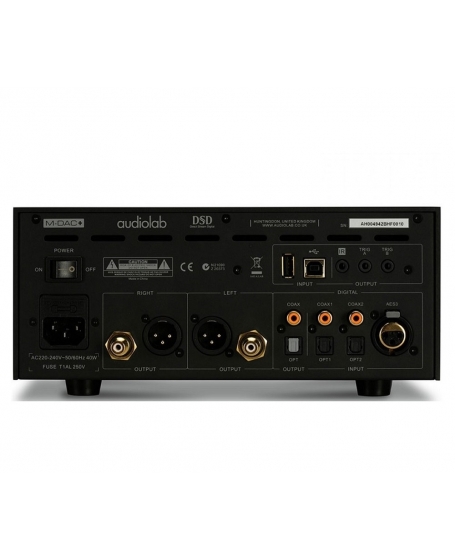
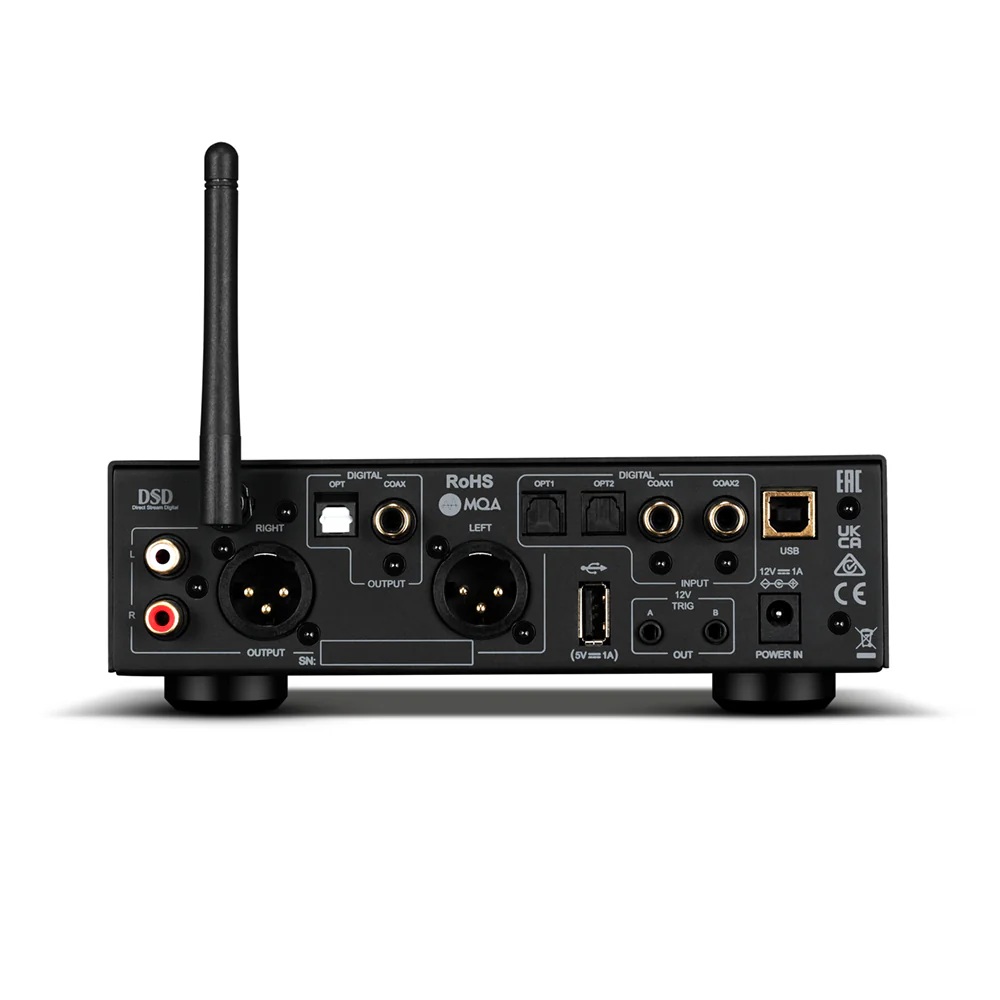
The D7 has four S/PDIF inputs—two coaxial and two optical— a USB HDD input for playback from external flash drives, and a USB type-B input for PCs, Macs, smartphones, or tablets. It also offers the option of coaxial, optical, or analogue RCA and fully balanced XLR outputs, making it a highly versatile digital audio hub. Bluetooth reception is included, too, with support for multiple codecs, including aptX HD, and Bluetooth 5.1 compliance for optimum range and speed.
.jpg)
The new-generation 32-bit Sabre chip – the ES9038Q2M- is a benchmark in DAC standards. However, accompanied by proprietary circuitry to make the most of the ESS HyperStream II architecture and Time Domain Jitter Eliminator for ultra-low noise and high dynamic range, Audiolab engineers have the proven knowhow in implementation of this chip to make class-leading Digital Audio Conversion devices.
.jpg)
The D7 offers hi-res audio support with DSD up to 22.5792MHz (DSD512) and 32-bit/768kHzBit PCM via USB, or 24-bit/192kHz PCM over S/PDIF (optical and coaxial). It’s also a full MQA decoder, with the complete ‘three unfold’ decoding process performed internally, rather than just the final unfold in the manner of an MQA renderer.
.jpg)
Users can opt to upsample digital audio signals to 352.8kHz or 384kHz. With the expertly implemented DAC reconstruction filter settings, the D7 offers five options to adjust performance to match source files or system components. This nuance will be much welcomed, given the sheer variety of digital file formats supported, not to mention headphone users or digital streaming service users.
.jpg)
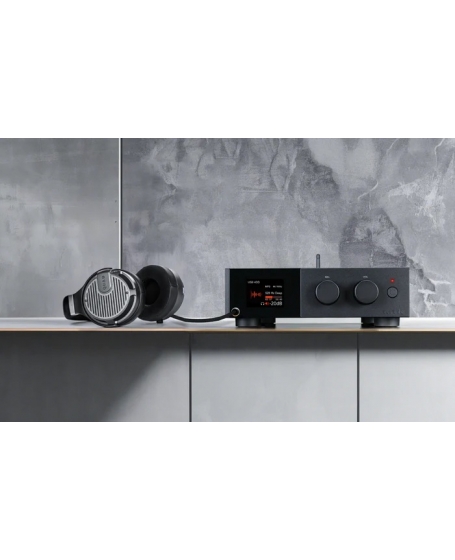
The D7 features a high-power headphone amplifier with current-feedback circuitry to round out the versatility. Like the 7000A, this solution is designed for all headphone types, ensuring exceptional clarity and drive.
.jpg)
The D7 features a high-power headphone amplifier with current-feedback circuitry to round out the versatility. Like the 7000A, this solution is designed for all headphone types, ensuring exceptional clarity and drive.
.jpg)
| Model | D7 |
| General Description | DAC |
| Design Philosophy and Core Technology | ES9038Q2M 32-bit DAC MQA Full decoder (PC USB, Coax / Optical) OLED Display Bluetooth 5.1 (aptX / aptX HD) streaming Dedicated Current-Feedback Headphone Amp Supports playing USB memory device (MP3 / WMA / APE / AAC / WAV / FLAC) USB Firmware Upgrade |
| Inputs | 2 x SPDIF (Coax), 2 x SPDIF (Optical), 1 x PC USB (USB B), 1 x USB HDD (USB A), 1 x Bluetooth (aptX / aptX HD) |
| Outputs | 1 x RCA, 1 x XLR, 1 x Headphone, 2 x 12V Trigger, 1 x Optical, 1 x Coax |
| Sampling Frequency | Optical/Coaxial: 44.1kHz–192kHz USB HDD: 44.1kHz–96kHz PC USB: 44.1kHz–768kHz (PCM) / DSD64, DSD128, DSD256, DSD512 |
| DAC | |
| D to A Converter | ES9038Q2M |
| Output Level (0dBFS, 1kHz) | 2.05Vrms (RCA), 4.1Vrms (XLR) |
| Total Harmonic Distortion (THD) | < 0.001% (1KHz @ 0dBFS) |
| Frequency Response | 20Hz-20kHz (+/-0.2dB) |
| Output Impedance | 120 ohm |
| Max. Sampling Frequency | USB HDD: 96KHz Optical,Coaxial: 192KHz PC USB: PCM768kHz, DSD512 |
| Signal-to-noise Ratio (S/N) | > 115dB (A-weighted, RCA) > 117dB (A-weighted, XLR) |
| Headphone Amplifier | |
| Total Harmonic Distortion(THD) | < 0.01% (1kHz, 50mW ) |
| Output Impedance | 2.35 ohm |
| Load Impedance | 20-600 ohm |
| General | |
| Standby Power Consumption | <0.5W |
| Net Weight | 1.42 kg |
| Gross Weight | 2.2 kg |
| Dimensions (mm) (W x H x D) | L: 180 x W: 208 x H: 56mm |
| Carton Size (mm) (W x H x D) | L: 290 x W: 325 x H: 85mm |
| Finish | |
| Power Requirements (depending on region) | 220-240V ~ 50/60Hz 100-120V ~ 50/60Hz |
| Standard Accessories | Power adapter, Remote Control, User Manual, etc. |
.jpg) By Ketan Bharadia Contributions from Kashfia Kabir published yesterday
By Ketan Bharadia Contributions from Kashfia Kabir published yesterday
When you purchase through links on our site, we may earn an affiliate commission. Here’s how it works.
(Image: © What Hi-Fi?)
.jpg)
Audiolab isn’t short of experience when it comes to making DACs. The company’s first outboard digital-to-analogue converter was the 8000DAC of the 1990s, but it was 2011’s Audiolab M-DAC that really cemented its expertise in the sector. The now-discontinued M-DAC remains a favourite at What Hi-Fi? Towers, and was something of a mid-priced benchmark for the best part of a decade.
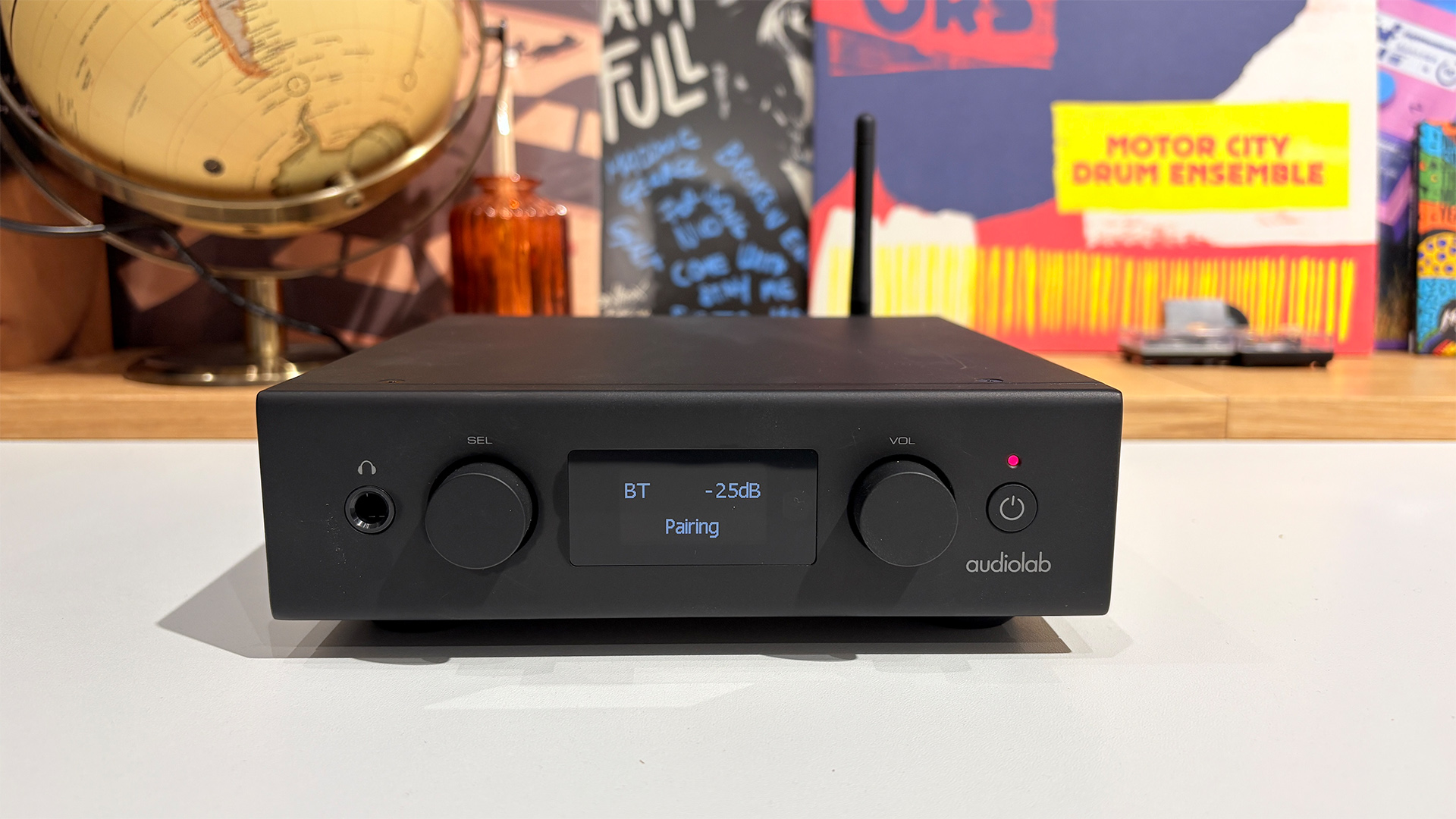
What has all of this got to do with the new Audio D7? Despite its smaller size and more modest price point, there are undeniable echoes of the M-DAC’s design template and well-judged feature set, and that’s a good thing.
(Image credit: What Hi-Fi?)
The Audio D7 is a pleasingly versatile unit that makes as much sense at the heart of a proper separates hi-fi system as it does on a desktop system fed by a computer.
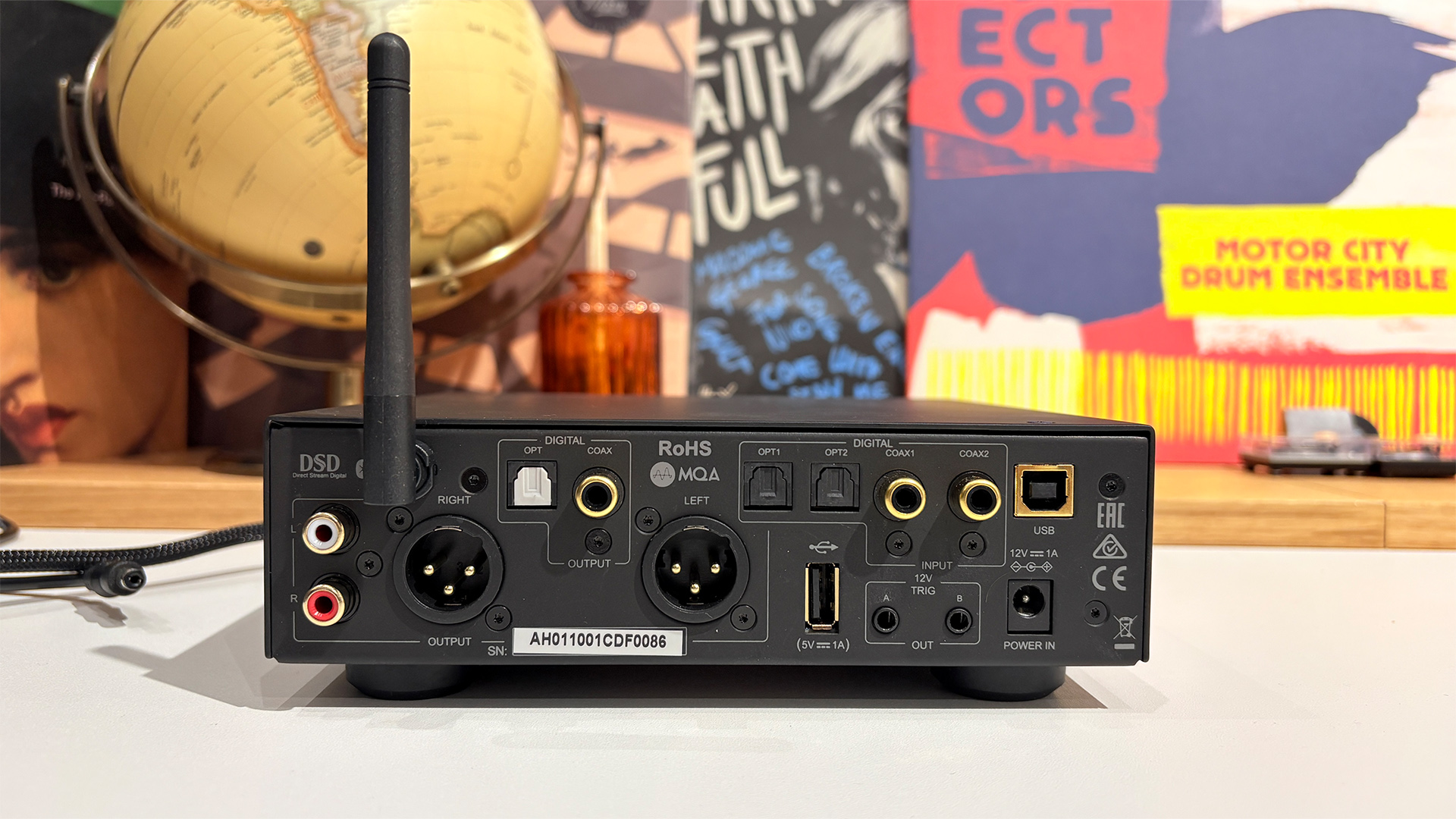
Audiolab certainly hasn’t skimped on the connectivity, with the D7 including a generous spread of digital connections: there are two coaxial and two optical inputs, USB Type B and USB Type A inputs, alongside single-ended RCA line level and balanced XLR analogue outputs.
The USB-A port allows connection to external storage devices and is also used for software upgrades.
There is a front panel-mounted 6.3mm headphone socket as well as digital outputs (optical and coax), should you want to do extra processing on the digital signal. It doesn't end there.
Bluetooth wasn’t seen as a relevant input back in the day of the M-DAC, but it certainly is now, so the D7 is equipped with Bluetooth 5.1 and has aptX HD codec compatibility.
(Image credit: What Hi-Fi?)
Take a look inside and you will find ESS Sabre’s ES9038Q2M DAC chip at the heart of the D7’s digital circuitry. This allows hi-res compatibility with up to 32-bit/768kHz PCM and DSD512 music files, which should be more than enough for most people’s digital music library.
While other manufacturers use this very same DAC chip, Audiolab claims that its experience, along with proprietary clock and power supply circuitry, achieves better results. Full MQA decoding is on the menu, should you have the need, as is Roon compatibility.
The DAC’s analogue outputs can be set to work in either fixed or variable mode. If the output is set to variable, it opens up the possibility of the D7 being connected directly into a power amplifier, or perhaps, more interestingly, directly into a pair of active speakers. The active route would lead to a pleasingly neat and uncluttered system.
This Audiolab is neatly made with little to criticise when it comes to solidity or fit and finish. The aluminium casework has been put together with care and is available in a choice of either silver or black.
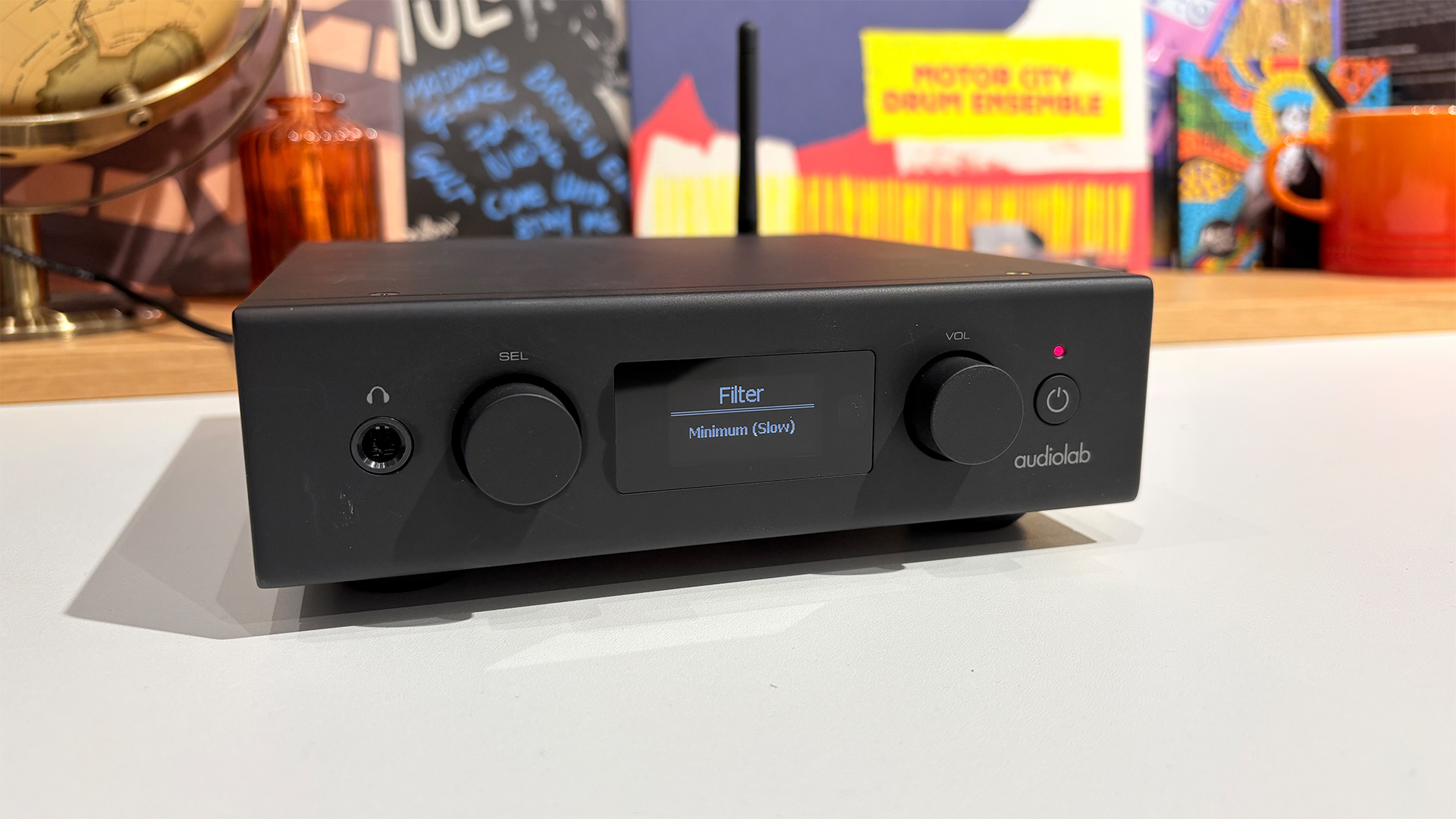
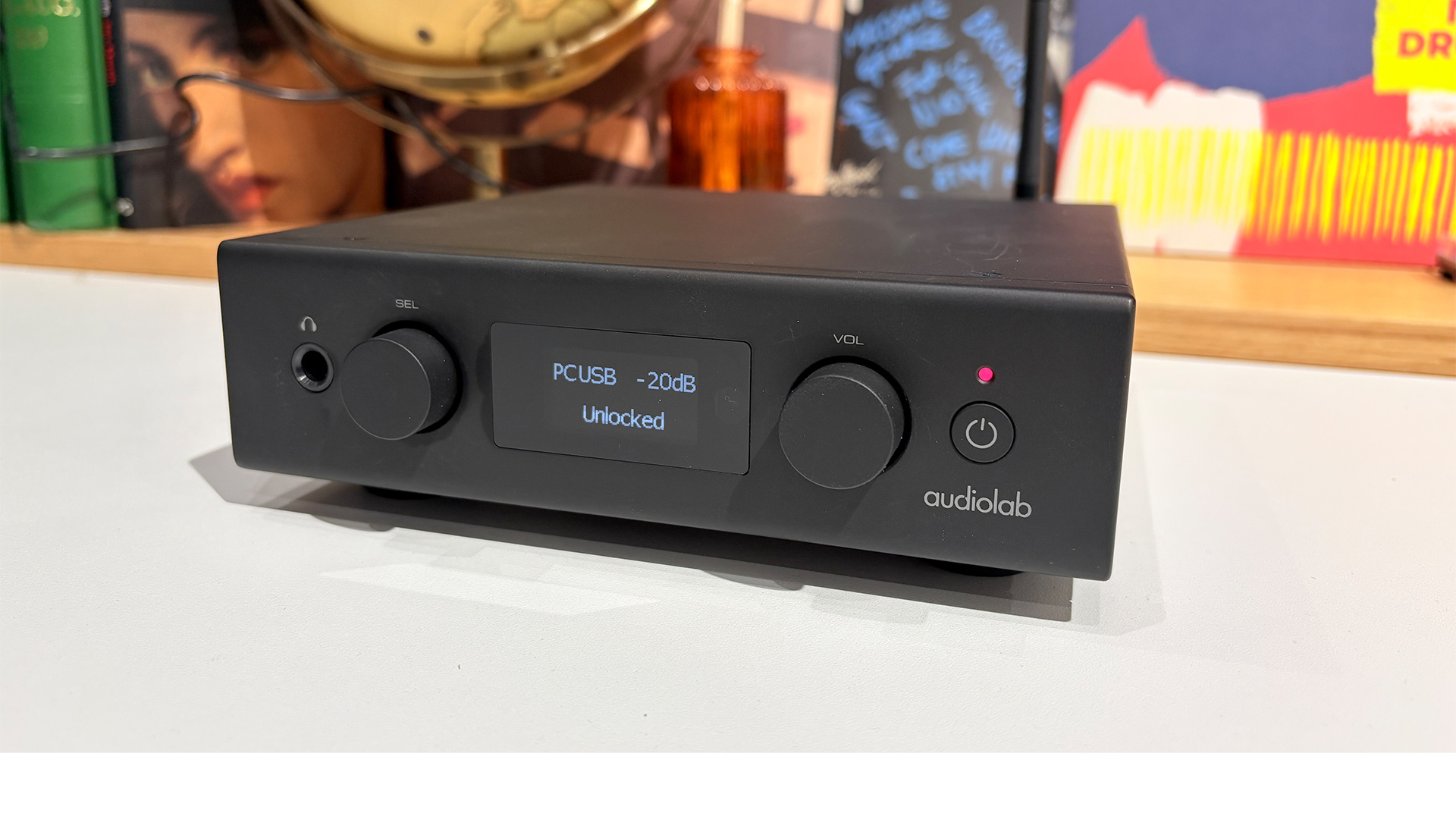
The crisp OLED display on the front panel is handy for setting up, but it proves just a little too small to read comfortably from any kind of distance.
There is a choice of five digital filter options. The default ‘Linear (Slow)’ is a well-chosen starting point, but we ultimately settle on ‘Minimum (Slow)’ as the most natural-sounding choice in our systems.
As usual, the sonic differences between the various settings aren’t huge, and some of the others may match your taste and system better. There is no harm in experimenting.
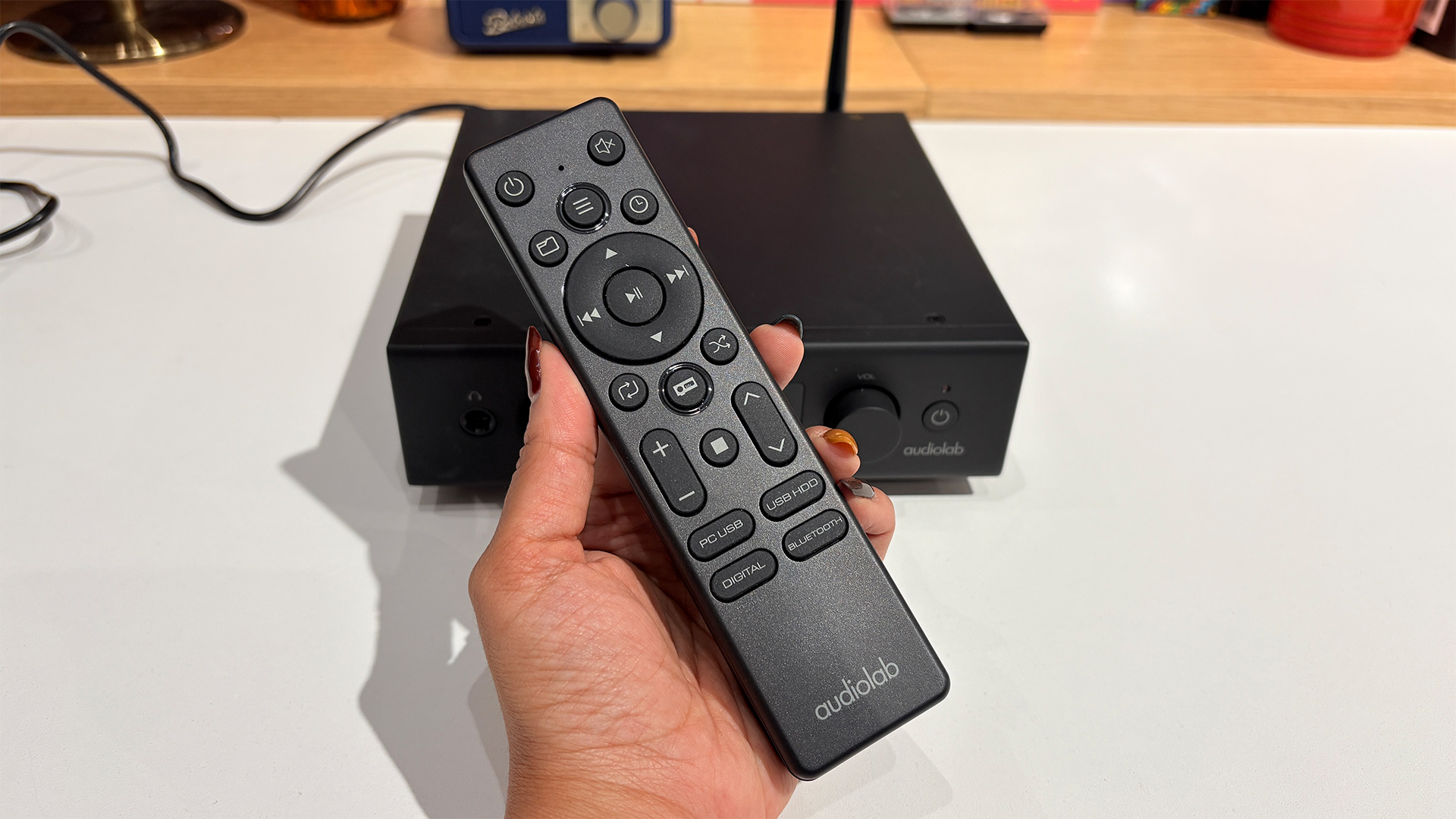
You also get a remote control, which helps when this DAC is used in a full system context. It’s a simple, small plastic handset, but it is well-designed and easy to use.
Our test process includes a range of digital sources, including the Naim ND555/555 PS DR music streamer, a Cyrus CDi CD player and a MacBook Pro loaded with Audirvana music playing software and plenty of high-resolution files.
We also plug the D7 DAC into our reference system of Burmester 088/911 MkIII amplifier and ATC SCM50 speakers, as well as a more price-compatible set-up of Naim Nait XS3 integrated amplifier and KEF LS50 Meta speakers.
(Image credit: What Hi-Fi?)
Audiolab tends to make sonically well-balanced products, and the D7 is no different. It has a broadly neutral and even-handed presentation that impresses for its clarity and detail resolution. It’s a clean and crisp sound without being over-etched. We love the sense of spaciousness the DAC imparts, so the music we play rarely sounds cluttered.
This kind of presentation works particularly well with dense classical music such as Tchaikovsky’s Marché Slave Op.31 or Gorecki’s Symphony No.3, where the Audiolab delivers a pleasingly large-scale and authoritative performance. There is good insight into the music and the ability to track low-level instrumental strands without losing the impact of the whole.
The D7 handles strong dynamic shifts with fluidity, though it doesn’t quite exhibit the verve and drama of its rival, the Award-winning Chord Mojo 2. Still, the Audiolab remains an interesting and entertaining alternative that holds our attention all the way through, thanks to its ability to capture the texture and tone of instruments so well.
This DAC sounds controlled and composed regardless of the music you play, which helps the listener relax, confident in the belief that the D7 won’t be wrong-footed by anything thrown at it.
You can add good stereo imaging to the list of plus points. The soundstaging is decently expansive, delivering more in the way of precision and focus than many of the alternatives that we have heard. The imaging stays admirably stable, too, even when the music becomes demanding.
(Image credit: What Hi-Fi?)
As we work our way through the likes of Womack & Womack, Grinderman and Kid Cudi, it becomes clear that this Audiolab is a capable all-rounder. It delivers plenty of punch and power when the music demands, but also doesn’t ignore subtleties in the process. The distinctively gritty texture in Linda Womack’s voice comes through effortlessly on the song Love Wars, backed up by a pleasing sense of momentum.
The D7’s lows are pretty well defined and articulate with it. While the communication of rhythmic drive doesn’t match that of the aforementioned Chord Mojo 2, we’re still having fun.
We’ve mentioned the Award-winning Chord Mojo 2 a couple of times, and for good reason. It has long dominated this part of the DAC market, and it genuinely sounds great. Talented as the D7 is, we feel the Chord edges ahead in most sonic areas. But that isn’t the end of the story.
The Audiolab D7 has vastly better connectivity than the battery-powered Chord and is notably more flexible in use. It has Bluetooth, for example, which connects swiftly and works without issue, whereas the Mojo 2 is limited to physical inputs.
Also, the choice of balanced XLR and stereo RCA analogue outputs makes integrating the Audiolab into a conventional system far more straightforward than trying to find suitable cables to cope with the Chord’s 3.5mm output sockets. Most cable brands make such options, but you have to go looking for them.
(Image credit: What Hi-Fi?)
Lastly, the D7 is far more straightforward to use, with logical and easy-to-understand controls. The Chord, on the other hand, still has us looking at its user manual to access some of its functionality, notably the clever but rather convoluted tone controls.
We’re pleased to note that the Audiolab works well as a digital preamp. It drives our Burmester 911 Mk III power amp well enough, given its price, and we see no reason why it can’t be the hub of a system built around a pair of price-appropriate active speakers. Acoustic Energy’s long-running AE1 Actives would be a great option, for instance.
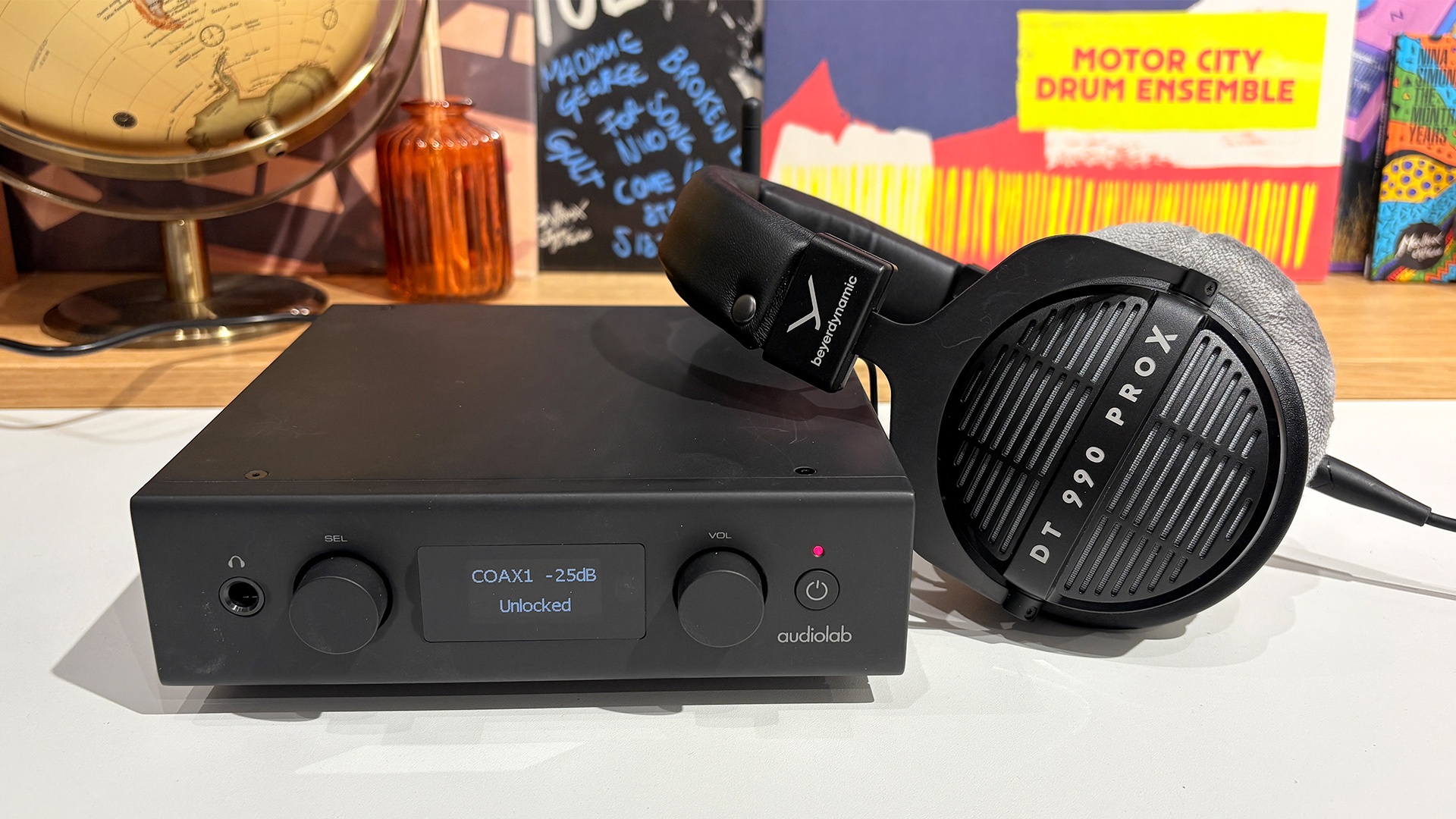
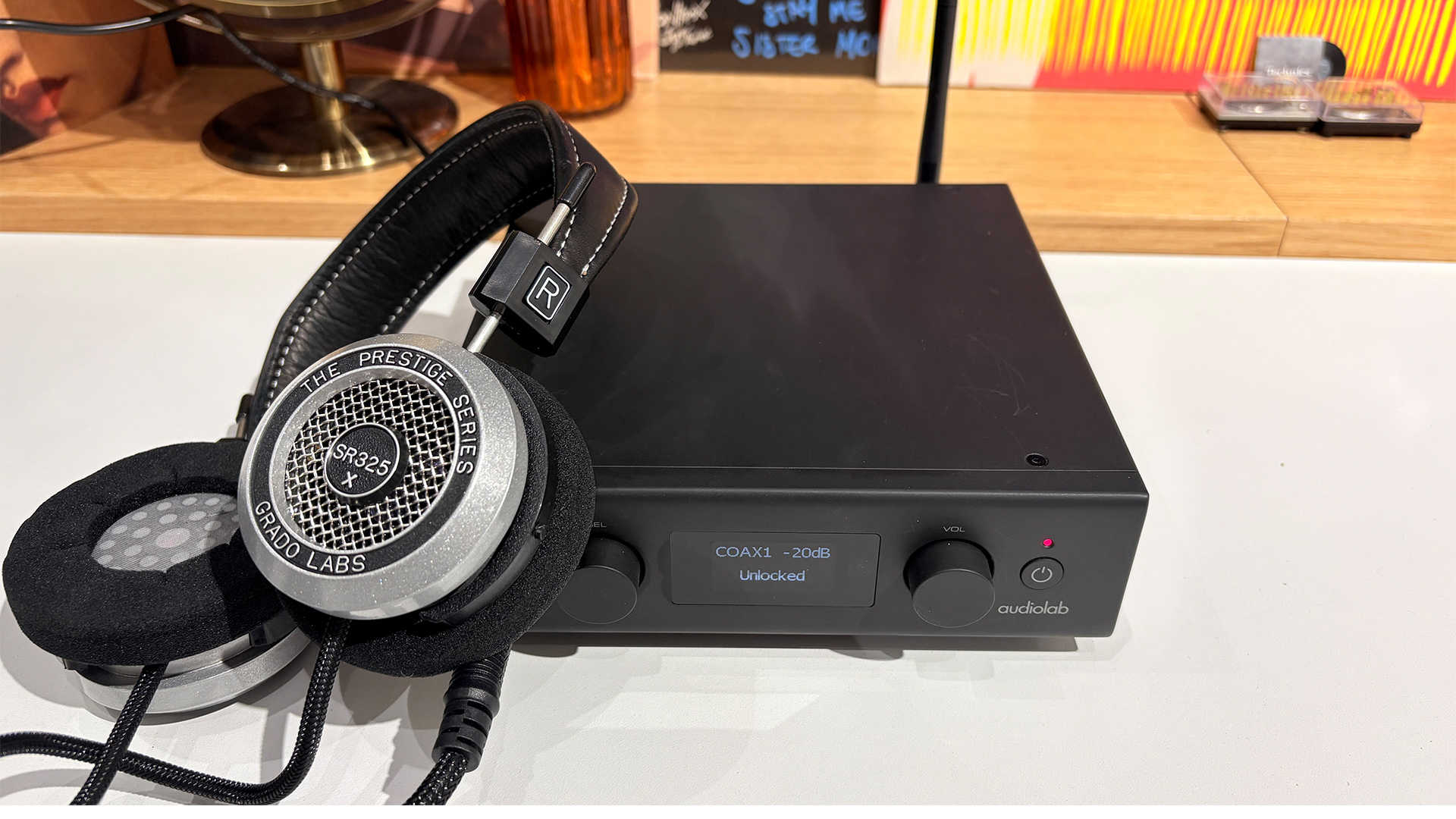
Equally, the sound through its headphone output is consistent in character with that which we hear through its analogue outputs, be they balanced or not. We try Grado’s SR325x open-back headphones and enjoy the lovely yet refined sound produced.
(Image credit: What Hi-Fi?)
The Audiolab D7’s appealing blend of build, features and performance means that it deserves a place on the shortlist. Its performance is balanced and insightful, while the connectivity and build are as good as anything we’ve seen at this price.
If you are looking for a well-specified and talented outboard DAC at this level, it would be remiss if you didn’t consider this one seriously.
Review published: 9th December 2025
SCORES